

Artemis II shows that we can choose hope
Humanity has chosen to go back to the Moon for the first time in half a century. Some will inevitably ask why, in a world of poverty, we do so. We must, because science and poverty are not a zero-sum trade.
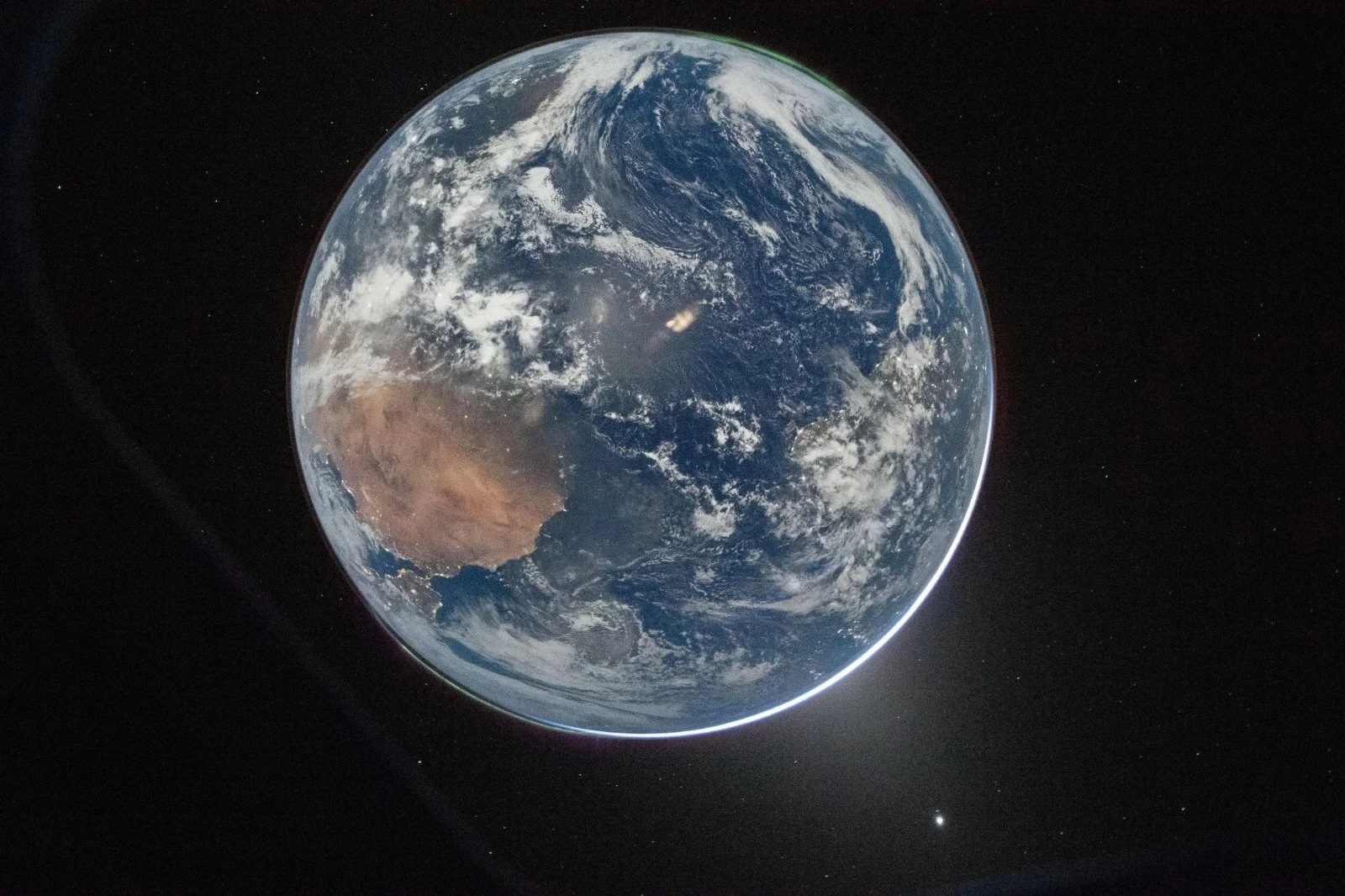
In a week of horrors, there have yet been at least a few wonders too. One of those has been the Artemis II mission which has sent humans back to the vicinity of the Moon for the first time in half a century.
You won’t be surprised to know that I’m a bit of a space nerd. And that’s despite being told in my early twenties that I shall never go there myself. I was too tall for ESA’s astronaut programme. I know. Odds were slim anyway, but it’s one thing to suspect you’ll never be an astronaut. It’s another to be outright told you won’t be one.
And so I stayed up last week to watch the launch live and I’ve been keeping an eye on the mission as it has progressed. The fact that this has been a publicly funded mission – through NASA – rather than the vanity of a tech-billionaire has made it all the sweeter. It feels like we’re still capable of progress and of doing something for the sheer joy of doing it.
Artemis hasn’t solved many major new science or engineering challenges yet (though it has done important science and engineering that will help Artemis III put people on the surface of the Moon soon). The images beamed back won’t teach us new things about the universe (though humans have now gazed upon parts of our celestial dancing partner with their own eyes for the first time in the history of our species). The photos sent back though show us and our planet in all our fragile glory. I couldn’t help but think of the late Carl Sagan’s famous “Pale Blue Dot” speech. That’s us. When the cover photo for this article was taken, only four humans alive were not in the frame of the shot.
And the Artemis mission won’t solve the wars and the petty squabbles of wannabe kings. It won’t solve poverty or inequality. It won’t even create the permanently habitable, self-sufficient Moonbase that especially the tech billionaires would like to see. Elon Musk’s even more ambitious plan to build a permanent Mars colony will succeed only after we have the technology to build a luxury hotel on the peak of Mount Qomolangma using materials mined from the middle of Antarctica and from the bottom of the ocean (this is not a product endorsement for such a hotel).
So why do we go?
This was a critique of the last missions to bring humans the Moon. The Apollo programme was one of the most expensive peaceful programmes humanity had ever embarked upon. The contrast between that and the poverty and inequality felt in the lives of the people watching was juxtaposed masterfully by Gil Scott-Heron in his 1970 poem “Whitey On The Moon”.
It’s telling that more than 50 years later, the first time a non-white person to flew past the Moon happened so recently that, as of the publication of this article, he’s not back from the trip yet. That said, Artemis II’s pilot Victor Glover is apparently quite the fan of the poem and it’s been reported that he listens to it frequently as a reminder of where he’s come from and where he is going.
But here’s the thing. Cancelling space flight won’t fix those problems either. Space exploration and social poverty are not zero sum trades. Funding even one does not draw resources from the other. Not in the way that our more expensive non-peaceful endeavours do.
Trump’s militarism in the Middle East has killed thousands and has almost certainly doomed millions to more poverty than would have otherwise happened. The same is true for every other warmonger past and present.
And yet whenever the militarist want more money, they get it. Keir Starmer has just this week signed away hundreds of billions worth of social security, foreign aid and other poverty relief into the maw of the military.
By contrast, space exploration and other science is almost always the thing that gets cut despite costing a fraction of what the military wants for its bullets, bombs and bodycounts (Starmer’s £30 billion per year military budget boost could pay for seven Artemis II launches per year). NASA’s budget is suffering massively right now with many vital scientific programmes being canned or compromised – especially in areas like climate monitoring and research where we KNOW the looming climate emergency is already causing misery for millions and that soon it may extend to billions unless we choose to stop it.
This is the real enemy of poverty, privation and progress. Not scientific endeavour or exploration, but the petty warlords seeking to carve their name onto a small corner of the Pale Blue Dot and those who seek to make a short term profit at the expensive of the future.
But that through it all, we can still watch a historic mission launch four humans on the trips of their lifetimes, to a place where no-one has gone before, gives me hope. Because it shows us all what we can do.
We can choose to go to the Moon AND we can choose to end poverty. We can go to space AND we can work in the spirit of peace. That some of our politicians choose otherwise is their failing, not ours. We can make the choice to get rid of those failures from our political lives too.
Good luck Artemis II with the final step of your mission and to your successors in each of theirs. I shall continue to watch with wonder and with hope.
