

May this be the last oil war
The US-Israel war against Iran should be the wake up call the world needs to make sure that it is the last Oil War.
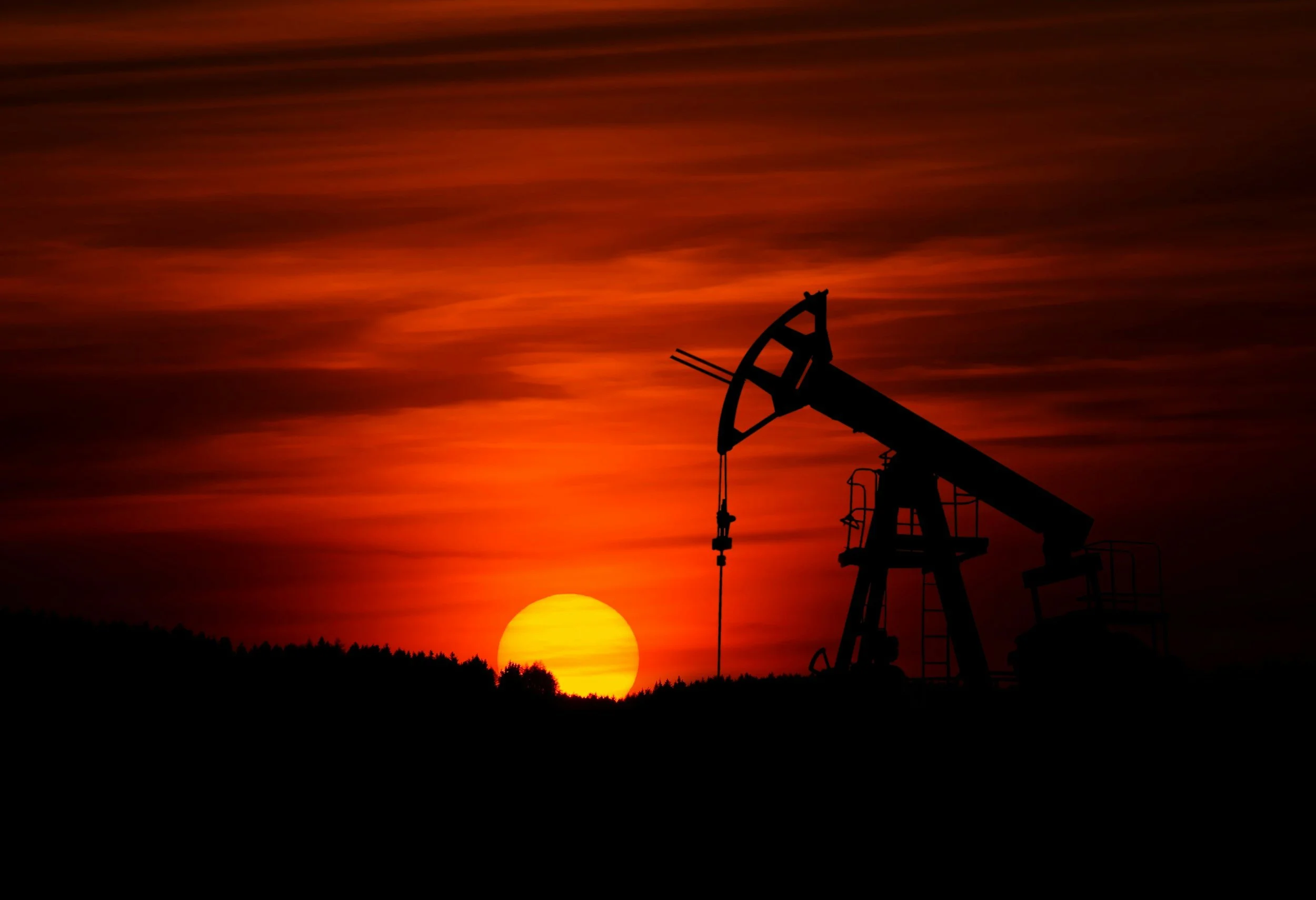
For decades now – almost since the first barrel of oil was pulled out of the ground – the oil companies have been paying people to tell environmentalists that the world couldn’t possibly shut down the fossil fuel sector, especially not overnight! Furthermore, rather than spending those decades slowly ramping down fossil fuel dependency in favour of alternatives, we were told that we should just “Drill, Baby, Drill” and pump more black stuff into our consumer goods and into our atmosphere for the great profit of the oil barons. There will be parties in the upcoming Scottish elections who will be openly campaigning on this stance.
Well, thanks to those efforts and the efforts of some powerful men with apparent grudges against the future, we now live in a world where the fossil fuel sector can be shut off overnight.
The closure of the Hormuz Strait as a result of the US and Israel’s illegal war against Iran is causing shocks throughout an energy sector still not made resilient against the shocks of Russia’s illegal war against Ukraine.
The closure of the Strait has spiked oil prices by around a factor of two, actual shortages are being felt in some countries that are reliant on the oil directly from the region (as opposed to places like the UK and US where oil supplies are less affected other than by the price shock and we merely need to compete on price in what is a globalised commodity market) which has caused countries to experience blackouts or to partially shut down their economies to reduce energy demand.
The world has been here before with a conflict between the US and Iran which led to the closure of the Strait of Hormuz! The world should not allow this to happen again.
One of the biggest differences between the present conflict and the previous oil shock of the 1970s is that we are far better placed to have avoided it should we have chosen to. Renewables technologies have come a long way since US President Jimmy Carter put some solar thermal panels on the roof of the White House as a symbolic show of his support for weaning America off of oil (the panels were removed by President Reagan in a symbolic move of his reversal of said policies though they eventually lived on till the end of their useful lifespans in other locations or have since been placed in museums).
The cost of wind energy has dropped by 90% since the 1970s and solar energy costs have dropped by closer to 99.9% since then. It’s now possible to buy rooftop-grade solar panel for less than £50 each and with the UK about to make it easier than ever to literally plug them into their home sockets we’re about to see a hard takeoff in adoption here in the same way that it is already rolling out in Germany and many other countries. Solar electricity is now the cheapest form of energy generation humans have ever created, and we probably haven’t hit the price floor yet.
“A world without oil won’t magically see World Peace...but it’ll be a lot closer to it that a world with oil.”
The world is now on an inevitable path to a fully renewable future. Anyone advocating for anything else is either arguing in the short term (which doesn’t make sense because solar panels can be rolled out now far faster than new fossil fuel or nuclear plants can be built) or they are arguing to protect the fossil fuels for just a little longer.
Weaning the world off oil doesn’t just mean no more need for hegemonic empires to go around invading countries to secure supplies of the oil out of the ground, it also means far less need to transport fuel where it needs to go. Just as something like 60% of oil is used as transportation fuel, something like 40% of all shipping cargo on the planet is some kind of fossil fuel. That is, once we’ve eliminated the need to burn oil for energy, we’ll also eliminate the need for about 40% of our cargo ships. Far less demand means a massive reduction in the vulnerability of global shipping routes to disruption in key chokepoints like Hormuz.
In other words, eliminate oil and we reduce the demand for war and reduce the impact of the threat of war – which means that countries can’t use the threat of cutting off or absconding with fuel supplies as the kind of leverage that leads to wars. A world without oil won’t magically see World Peace...but it’ll be a lot closer to it that a world with oil.
There will still be issues. For a start, Scotland’s deindustrialisation means that we don’t have the domestic capacity to build the turbines, solar panels and batteries that we need fast enough to meet our climate goals and will instead be forced to buy in equipment from other countries like Germany or China. This is due to decades of politicians ignoring climate change until it was almost too late. We do have the capability to build up that manufacturing sector now and should do so so that we are ready to replace imported infrastructure with domestic replacements when the imported kit hits end of life or is made obsolete.
And remember that even if supplies of solar panels were choked by a conflict, it might ramp up prices and it might make replacing clapped out panels more difficult but the panels that are already installed and still working would still work – possibly for decades. A gas fired generator without shipments of fuel, by contrast, becomes an expensive metal sculpture to hubris.
Even once we build up our domestic manufacturing capacity we may still be reliant on unstable or hostile nations for some critical materials but that, too can be mitigated both by using alternative materials where possible (sodium batteries are on the cusp of replacing lithium batteries for applications especially like grid-scale storage) and by ramping up recycling so that the next generation of kit is largely made from the previous generation.
This is the future we should be working towards. Not drilling for more of the fuel of the 20th century and making ourselves even more vulnerable to yet another oil war. But rushing to the future and making ourselves as resilient to sources of conflict. We should stop being a target. Stop requiring others to be in our cross-hairs. And we should definitely stop actively assisting hostile nations by letting them use our country for their wars.
It is not inevitable that the current war in Iran will be the world’s last Oil War but it could be and it should be. We should let those who want it to be lead and guide us for a while, instead of the people who started the war in the first place.
