

Scotland's Seabed Is Worth More Than This
Guest writer Fraser Brydon looks at the projected rental income from ScotWind and how it compares to energy choices made by our neighbours.
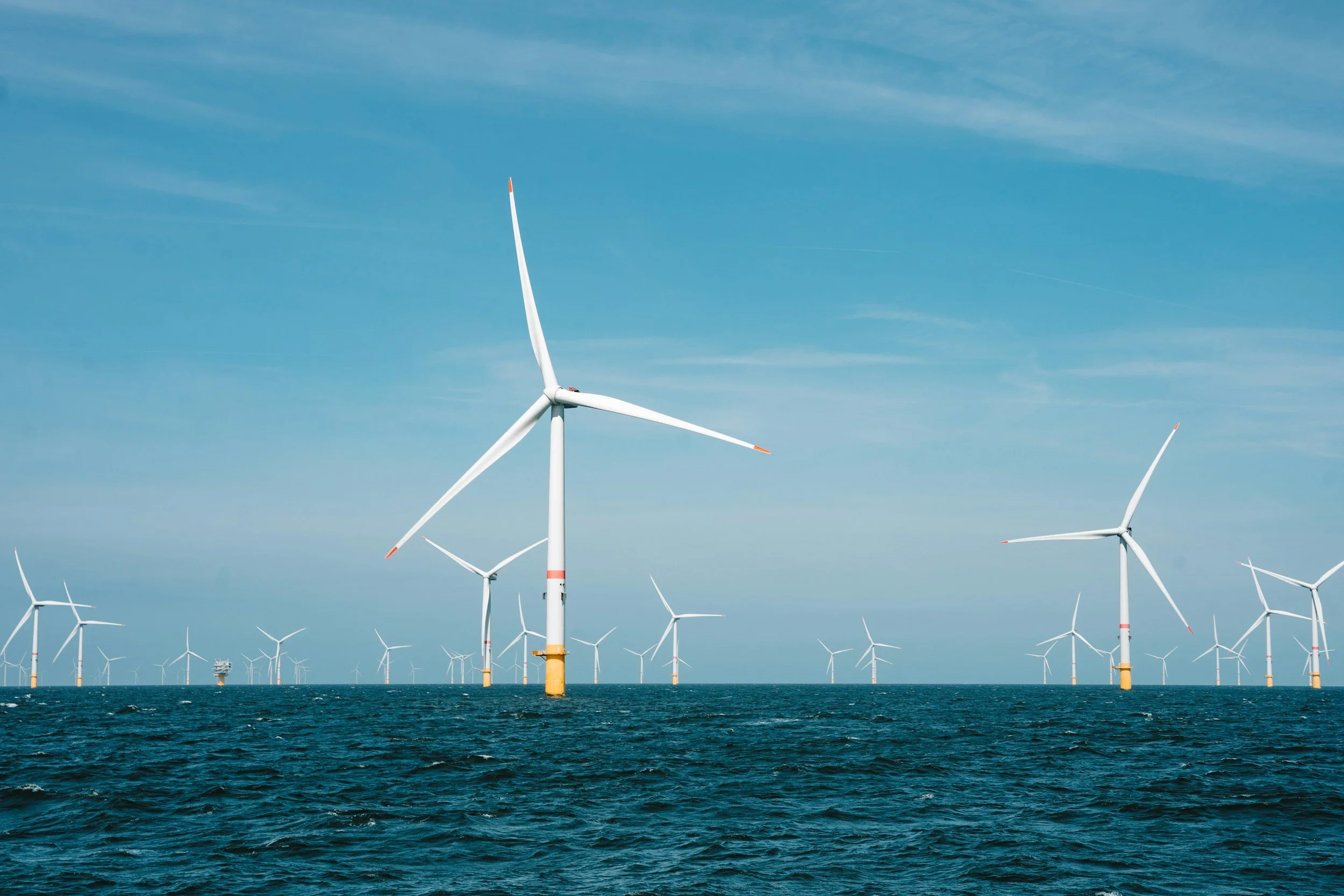
Scotland's contracted rental rate for offshore wind energy is £1.07 per megawatt hour. At the full 29.3 gigawatts of consented capacity at a standard 40 per cent load factor, that generates approximately £110 million per year from one of the most productive offshore wind territories in European waters.
Norway made an equivalent decision about its natural resources in 1990. That decision is now worth $2.2 trillion.
The comparison requires precision. Norway's Government Pension Fund Global is funded through three mechanisms: a 78 per cent surplus tax on oil companies operating in Norwegian waters; the State's Direct Financial Interest, giving Norway direct ownership of each production licence's output; and dividends from its 67 per cent ownership of Equinor. These give Norway access to profit, not just rent - Scotland receives rental income from private companies, a structurally different position.
But here is what is not different: Norway's institutional decision to legislate that revenues would be saved and compounded rather than spent as they arrived. That decision was made before a single dollar had been deposited. The discipline to invest before returns are visible - that is the lesson. Scotland missed that moment with North Sea oil. The question now is whether it repeats the same mistake with renewable energy.
The Ferret's Investigation
Two weeks ago, The Ferret published findings that put the onshore equivalent in sharp relief. One landowner received £11 million from a wind farm last year. The local community received £464,625. A ratio of 23:1. The Contracts for Difference subsidy scheme funding these payments draws on public energy bills - meaning consumers are subsidising private landowners at 23 times the rate communities receive.
The offshore equivalent operates through a different mechanism but the same logic. ScotWind rental income flows to Crown Estate Scotland and into Holyrood's general budget. Communities receive voluntary benefit payments - not ownership stakes, not a share of profit, not a right. They receive what developers choose to give.
This is the extraction pattern applied to Scotland's greatest natural resource. The value generated leaves. The communities closest to the generation benefit least.
Denmark Did Something Different
While Scotland was structuring ScotWind around private developer leases, Denmark built community ownership into every offshore development. The Middelgrunden wind farm near Copenhagen is 50 per cent owned by a cooperative of local residents. They receive income from the electricity generated. They vote on how that income is distributed.
Scotland has the same turbines and the same wind. It has a completely different ownership architecture. The question is whether that architecture is inevitable or a choice.
Two Extraction Mechanisms, Not One
The rental rate is one problem. The grid charging regime is another. In 2025, Scottish wind farms were paid £350 million to switch off - not because the wind wasn't blowing but because grid infrastructure to move electricity south doesn't exist at scale. Then £1 billion was spent firing up gas plants instead. £1.35 billion added to energy bills to not use Scottish wind.
The reason is the Transmission Network Use of System charging regime. Scottish renewable producers pay ten to twenty times more than English producers to connect to the grid - a UK-wide framework set by Ofgem that takes no account of Scotland's position as a net electricity exporter. Some ScotWind projects with full planning permission have been pushed out of the grid connection queue entirely because connection costs make them unviable.
The rental rate and the grid charging regime are two extraction mechanisms operating simultaneously. Addressing one without the other leaves the pattern intact.
“The case is straightforward: renegotiate ScotWind rental rates to market levels indexed to energy prices; mandate community equity stakes in ScotWind 2 leases so communities own a share of what sits in their waters.”
What the New Parliament Must Decide
ScotWind 2 leases have not been signed. Rental rates have not been locked in. The decisions that will determine whether Scotland builds a compounding community wealth fund or repeats the North Sea oil pattern are still open.
The case is straightforward: renegotiate ScotWind rental rates to market levels indexed to energy prices; mandate community equity stakes in ScotWind 2 leases so communities own a share of what sits in their waters; direct a fixed proportion of rental revenues to a Scottish Community Wealth Fund insulated from short-term political spending by statute; and pursue grid charging reform as a specific, evidenced Westminster demand - making the TNUoS argument loudly until Westminster either acts or admits it is deliberately harming Scotland's renewable energy economy.
None of this requires independence. All of it requires a governing class willing to make institutional decisions before the revenues arrive rather than after they have been spent.
Norway made that decision in 1990. Denmark built it into every offshore development from the beginning. The people of Na h-Eileann Siar look at wind turbines from their windows while paying the highest energy costs in Scotland. That is not a natural outcome. It is a designed one. And designs can be changed.
Fraser is a writer and independent policy analyst based in Scotland, and the author of Scotland's Potential — weekly essays on what Scotland is, what it exports, and what it could be.